





Transfer pricing is a key area of particular concern for tax authorities in managing corporate taxation. The focus of tax authorities extends beyond supporting businesses through tax exemptions, reductions, and extensions; it also shifts strongly towards inspections and audits aimed at combating revenue loss. In this context, businesses with related-party transactions need to proactively review their pricing practices, prepare all necessary documentation as required, and be prepared to provide explanations when requested by the tax authorities.
Not only foreign direct investment (FDI) enterprises, but also many domestic enterprises, especially publicly traded companies that have transactions with related parties or are enjoying preferential tax policies, are becoming targets of increased monitoring by tax authorities.
Important Note: From the date Decree 255/2026/ND-CP Regulations on tax management for related-party transactions of enterprises with related-party relationships have come into effect. The legal framework governing this content has many new points compared to the previous Decree 132/2020/ND-CP (partially amended and supplemented by Decree 20/2025/ND-CP). Understanding the new regulations in Decree 255/2026/ND-CP correctly, developing appropriate related-party transaction pricing policies, and preparing complete documentation will help businesses minimize the risk of tax arrears, administrative penalties, and difficulties arising during tax audits and inspections.
What is the transfer pricing?
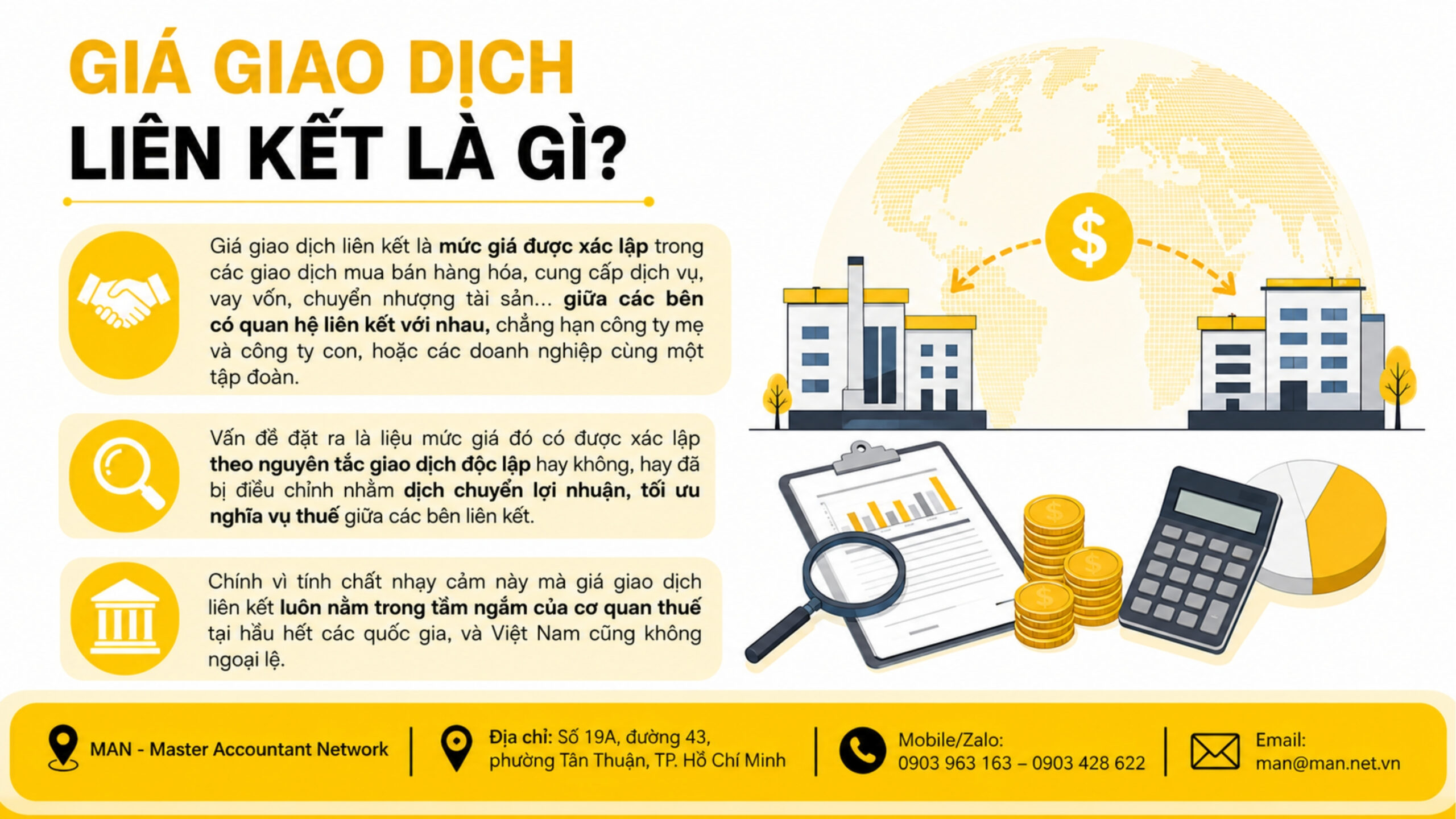
Transfer pricing refers to the prices established in transactions involving the purchase and sale of goods, provision of services, borrowing, transfer of assets, etc., between related parties, such as a parent company and its subsidiary, or businesses within the same group.
The question is whether that price was established according to the arm's-length principle or has been manipulated to shift profits and optimize tax obligations between related parties. Because of this sensitive nature, transfer pricing is always under scrutiny by tax authorities in most countries, and Vietnam is no exception.
Notably, in Article 4 of Decree 255/2026/ND-CP, the definitions of terms related to related-party transactions, national dossiers, and global dossiers have been supplemented and refined to ensure consistency and uniformity with relevant legal documents, creating a clearer legal basis for practical application.
Why are tax authorities increasingly tightening regulations on related-party transaction pricing?
In recent years, the management of transfer pricing in Vietnam has undergone significant changes in both scope and depth. While previously the focus was primarily on a few FDI enterprises showing signs of transfer pricing, now inspection and auditing have been expanded to include many groups of enterprises with related-party transactions.
Inspections and audits help combat tax fraud.
According to a representative of the Tax Department, closely following the Government's directives in Resolution No. 01/NQ-CP dated January 8, 2025, and Decision No. 103/QĐ-BTC dated January 17, 2025, of the Ministry of Finance, the Tax Department has promptly issued guidelines and directed the entire sector to develop a tax inspection and audit plan for 2025 aimed at improving effectiveness and efficiency, ensuring accurate and complete collection of state budget revenue, while also facilitating taxpayers' voluntary compliance with the law.
Notably, the implementation of Resolution No. 190/2025/QH15 of the National Assembly and Conclusion No. 134-KL/TW dated March 28, 2025, of the Politburo on the Project for streamlining the inspection agency system to be efficient, effective, and effective has led to the tax agency no longer performing specialized inspection functions but instead shifting to performing auditing functions.
Therefore, in the first six months of 2025, the entire sector will focus its resources on implementing and completing the remaining inspections. At the same time, provincial and city tax units are requested to report and provide the number of inspections for which no decisions have been issued, clearly stating the reasons for non-implementation, in order to provide a basis for submitting a proposal to the Ministry of Finance to adjust the 2025 inspection plan to align with the new authority.
Tax evasion results in revenue losses for the state budget.
According to Mr. Nguyen Van Phung, a senior tax expert, tax fraud and tax avoidance through related-party transactions are becoming increasingly complex and sophisticated; this situation not only causes revenue losses for the State budget but also destabilizes the market and creates an unhealthy competitive environment.
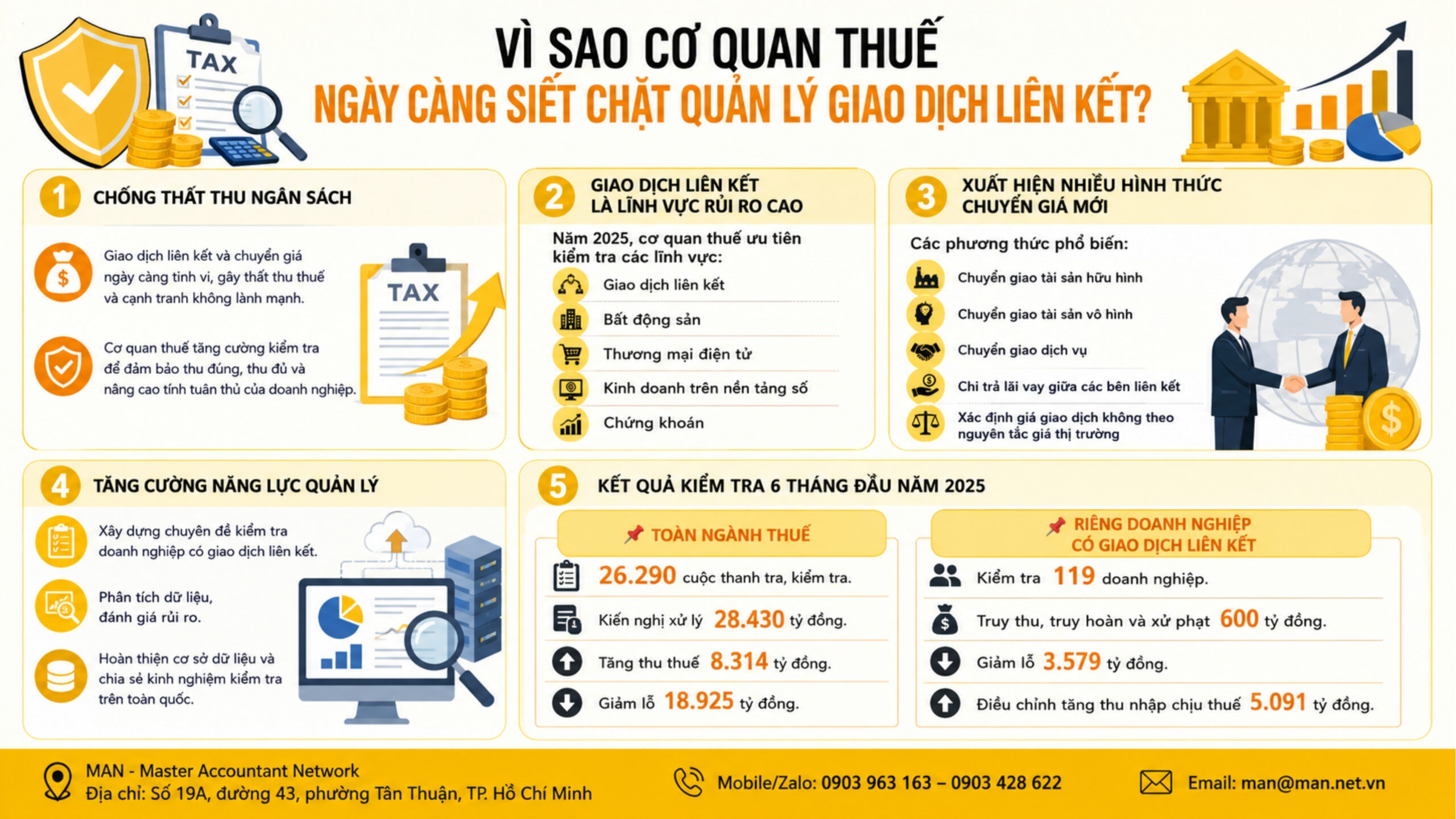
To ensure proactive and focused implementation, the Tax Department has directed provincial and city tax units on the planning of inspections and audits for 2025, as well as issued directives to the entire sector to strengthen inspection, auditing, and supervision of tax declarations by taxpayers, and combat revenue loss. This includes focusing on sectors and fields with high tax risks, insufficient tax declarations, and significant revenue potential, such as: real estate, related-party transactions, e-commerce, digital platform businesses, securities, and stock dividend payments…
At the same time, the tax sector is strengthening the management of environmental protection taxes for petroleum businesses; reviewing inspection and audit work after value-added tax refunds; coordinating in the fight against invoice fraud; applying invoice management measures to prevent the buying and selling of invoices, the use of illegal invoices to legitimize smuggled goods and evade taxes, and directing the fight against smuggling, trade fraud, and counterfeit goods…
On May 12, 2025, the Tax Department approved the 2025 plan for on-site tax audits for taxpayers in provinces and cities. Accordingly, the Tax Department requires tax authorities at all levels to implement the 2025 audit plan according to specific principles to further improve the effectiveness of the tax sector's audit plan, ensuring a focus on risk prevention, combating revenue loss, and curbing tax refund fraud and misappropriation.
According to Deputy Director of the Tax Department Dang Ngoc Minh, in the first six months of 2025, the entire tax sector conducted 26,290 inspections and audits, achieving 39.11% of the 2025 target and 109.21% compared to the same period in 2024. The total amount recommended for handling through inspections and audits was 28,430 billion VND, equivalent to 1,321% compared to the same period in 2024, including an increase in tax revenue of 8,314 billion VND; a reduction in deductions of 1,190 billion VND; and a reduction in losses of 18,925 billion VND.
New forms of transfer pricing have emerged.
In order to improve the effectiveness of tax management for enterprises with related-party transactions, especially to prevent the exploitation of transfer pricing to evade corporate income tax obligations, the Tax Department proactively advised the Ministry of Finance to submit to the Government for promulgation Decree No. 20/2025/ND-CP dated February 10, 2025, amending and supplementing a number of articles of Decree No. 132/2020/ND-CP, an important legal document regulating tax management in related-party transactions before being replaced by Decree 255/2026/ND-CP.
According to the head of the Tax Department, perfecting this legal framework facilitates tax authorities in strengthening control and helps businesses comply more transparently.
According to Mr. Nguyen Van Phung, as Vietnam increasingly participates in the global economic market, the issue of transfer pricing and tax avoidance by companies and corporations is becoming more complex, with many new forms of transfer pricing emerging.
Experts point out several typical methods businesses use in transfer pricing to evade taxes, including: transfer pricing through the transfer of tangible assets between related parties; transfer pricing through the transfer of intangible assets between related parties; transfer pricing through the transfer of services between related parties; and transfer pricing through the payment of interest on loans for production and business between related parties. However, a common method used by businesses is determining transfer prices that are inconsistent with international practices and unreasonable.
According to Mr. Phung, transfer pricing aimed at minimizing corporate income tax obligations is not only occurring in foreign-invested enterprises, but also between related parties within Vietnam; and it is not simply about shifting profits from areas with high tax rates to areas with lower tax rates to avoid taxes, but also includes the reverse direction.
To enhance practical implementation capabilities, provincial and city tax authorities have developed specialized on-site inspection programs for businesses with related-party transactions, selecting highly specialized and experienced officials to participate in these inspection teams. Simultaneously, through the collection and in-depth analysis of data, tax authorities have gradually developed a database and risk assessment methodology specifically tailored to this type of business. This provides a basis for proposing practical tax management solutions that are appropriate to the characteristics of each locality and industry.
The Tax Department also organized a conference to exchange in-depth experience on inspection and auditing of businesses with related-party transactions with tax authorities in provinces and cities, aiming to unify approaches, share inspection techniques, and update common transfer pricing models and methods for determining market prices according to international standards.
The audit and inspection of businesses with related-party transactions resulted in the recovery, refund, and penalties totaling 600 billion VND.
According to statistics for the first six months of 2025, the entire tax sector conducted inspections and audits of 119 enterprises with related-party transactions; resulting in the collection, refund, and penalties totaling VND 600 billion; a reduction in losses of VND 3,579 billion; a reduction in deductions of VND 3.2 billion; and an increase in taxable income of VND 5,091 billion. Specifically, the inspections and audits aimed at reassessing market prices for related-party transactions resulted in the collection of VND 360 billion in back taxes, a reduction in losses of VND 3,139 billion, and an increase in taxable income of VND 4,957 billion.
Data was referenced from: Financial Times.
A notable new point is that Decree 255/2026/ND-CP amends and supplements the principles for managing and inspecting transfer pricing, directly referencing the principles applied in tax management (Clause 4, Article 6) and tax inspection principles (Clause 1, Article 22) in the 2025 Tax Administration Law, aiming to ensure consistency and completeness with the current tax legal system. Therefore, proactively preparing documentation and complying with regulations will not only help businesses mitigate legal risks but also contribute to enhancing transparency in tax administration.
Transfer pricing is no longer an issue exclusive to FDI enterprises.
Over the years, the foreign direct investment (FDI) sector has become a vital part of Vietnam's economy, contributing significantly to growth through job creation, export promotion, and increased government revenue. However, the application of transfer pricing that is inconsistent with tax laws remains a matter of particular concern for many countries, including Vietnam.
A segment of FDI enterprises still does not fully comply with regulations on determining transfer pricing, leading to the risk of impacting their tax obligations. However, the current scope of management is not limited to FDI enterprises. Public companies with numerous transactions with related parties or those simultaneously enjoying various tax incentives are also becoming targets of tax authorities during inspections and audits.
Compliance with regulations on transfer pricing has become a common requirement for all businesses within the scope of Decree 255/2026/ND-CP (replacing Decree 132/2020/ND-CP), regardless of ownership type or investment capital source.
Furthermore, Article 5 of Decree 255/2026/ND-CP expands the scope of defining related-party relationships: it adds related-party relationships arising from borrowing and lending (similar to loan-lending relationships) between enterprises and individuals managing or controlling the enterprise, or individuals with a relationship as stipulated, when the transaction value reaches a minimum of 10% of the owner's contributed capital at the time the transaction occurs within the tax period. Simultaneously, the Decree also adds a case where the related-party relationship does not apply to creditors or guarantors that are state-owned organizations with the function of buying, selling, or handling debt, if they do not directly or indirectly participate in managing, controlling, contributing capital, or investing in the debtor enterprise or the guaranteed enterprise.
How are transfer pricing adjusted according to Decree 255/2026/ND-CP?
In the current tax management system, transfer pricing is directly regulated by Decree 255/2026/ND-CP – a document regulating tax management for related-party transactions of enterprises with related-party relationships, replacing Decree 132/2020/ND-CP. This is an important legal document, and it also sets out requirements for declaration and documentation to demonstrate that the determination of transfer pricing complies with regulations.
Businesses subject to regulation, when engaging in transactions with related parties, are obligated to declare information on related-party transactions and prepare documentation for determining transfer pricing as prescribed. According to Clause 2, Article 18 of Decree 255/2026/ND-CP, the taxpayer's obligation to declare and determine transfer pricing is governed by Clause 2, Article 37 of the 2025 Tax Administration Law and the following specific regulations:
- Declaring and determining transfer pricing does not reduce the corporate income tax liability payable in Vietnam;
- Demonstrate the performance of analysis, comparison, and selection of methods for determining transfer pricing.;
- Declare information on related party relationships and related party transactions according to Appendix I, Appendix II, and Appendix III issued with Decree 255/2026/ND-CP and submit them together with the Corporate Income Tax Final Settlement Declaration;
- Establish, maintain, and provide a Transfer Pricing Documentation File, including: information on related-party relationships and related-party transactions (Appendix I); National File (Appendix II); Global File (Appendix III); and the Country-by-Country Report of the ultimate parent company as prescribed in Article 19 and Appendix IV of the Decree.
In addition, the regulation regarding taxpayer representatives providing tax services for preparing transfer pricing documentation has been revised from "business companies providing tax services" to "business organizations providing tax services" to align with current regulations.
Regarding the databases used when declaring and determining transfer pricing (Article 17), Decree 255/2026/ND-CP supplements the National Database as a new data source alongside the commercial database and the tax authority database, and for the first time clearly specifies the order of priority for use:
- Prioritize databases that are publicly available;
- Next is the commercial database;
- Finally, there is the tax authority's database.
In reality, many businesses often focus on economic contracts, payment documents, and standard tax declarations without paying sufficient attention to developing transfer pricing policies and preparing documentation for price determination. This is one of the reasons leading to risks when tax authorities request explanations.
New points regarding the exemption threshold for preparing Transfer Pricing Documentation.
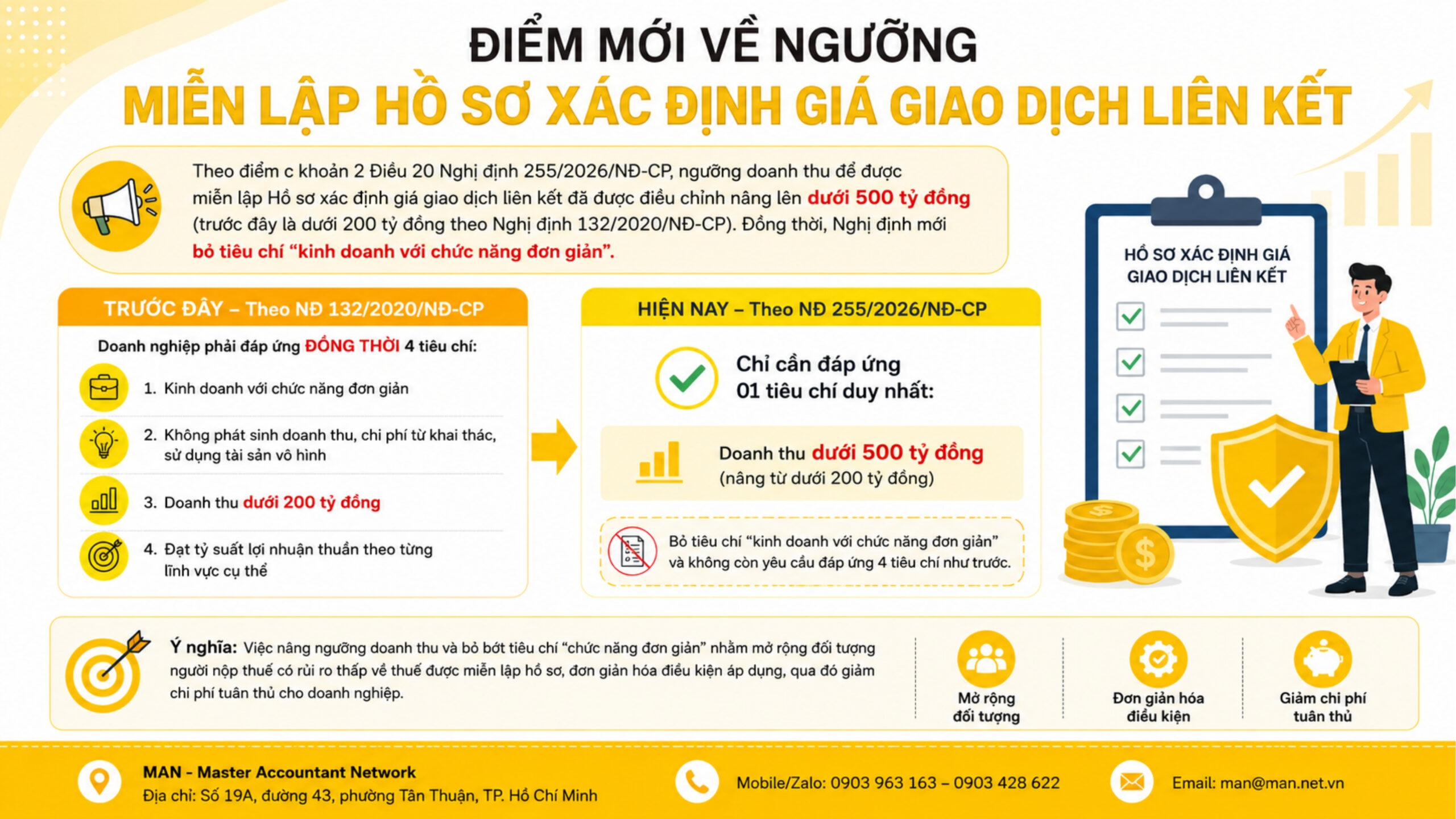
This is one of the changes that businesses need to pay special attention to. According to point c, clause 2, Article 20 of Decree 255/2026/ND-CP, the revenue threshold for eligibility is... Exemption from preparing Transfer Pricing Documentation. The threshold has been adjusted to below 500 billion VND (previously below 200 billion VND according to Decree 132/2020/ND-CP). At the same time, the new Decree removes the criterion of "business with simple functions," which was previously one of the four mandatory conditions that had to be met simultaneously.
Previously, to be exempt from filing documents, businesses had to meet four criteria simultaneously:
- Business with simple functions;
- No revenue or expenses are generated from the exploitation or use of intangible assets;
- Revenue below 200 billion VND;
- Achieve net profit margins specific to each sector.
Raising the revenue threshold and removing the "simple function" criterion aims to expand the scope of taxpayers with low tax risk who are exempt from filing, simplify application conditions, and thereby reduce compliance costs for businesses.
See also: New points in Decree 255/2026/ND-CP regarding related-party transactions.
New features regarding the Country-by-Country Report (CbCR)
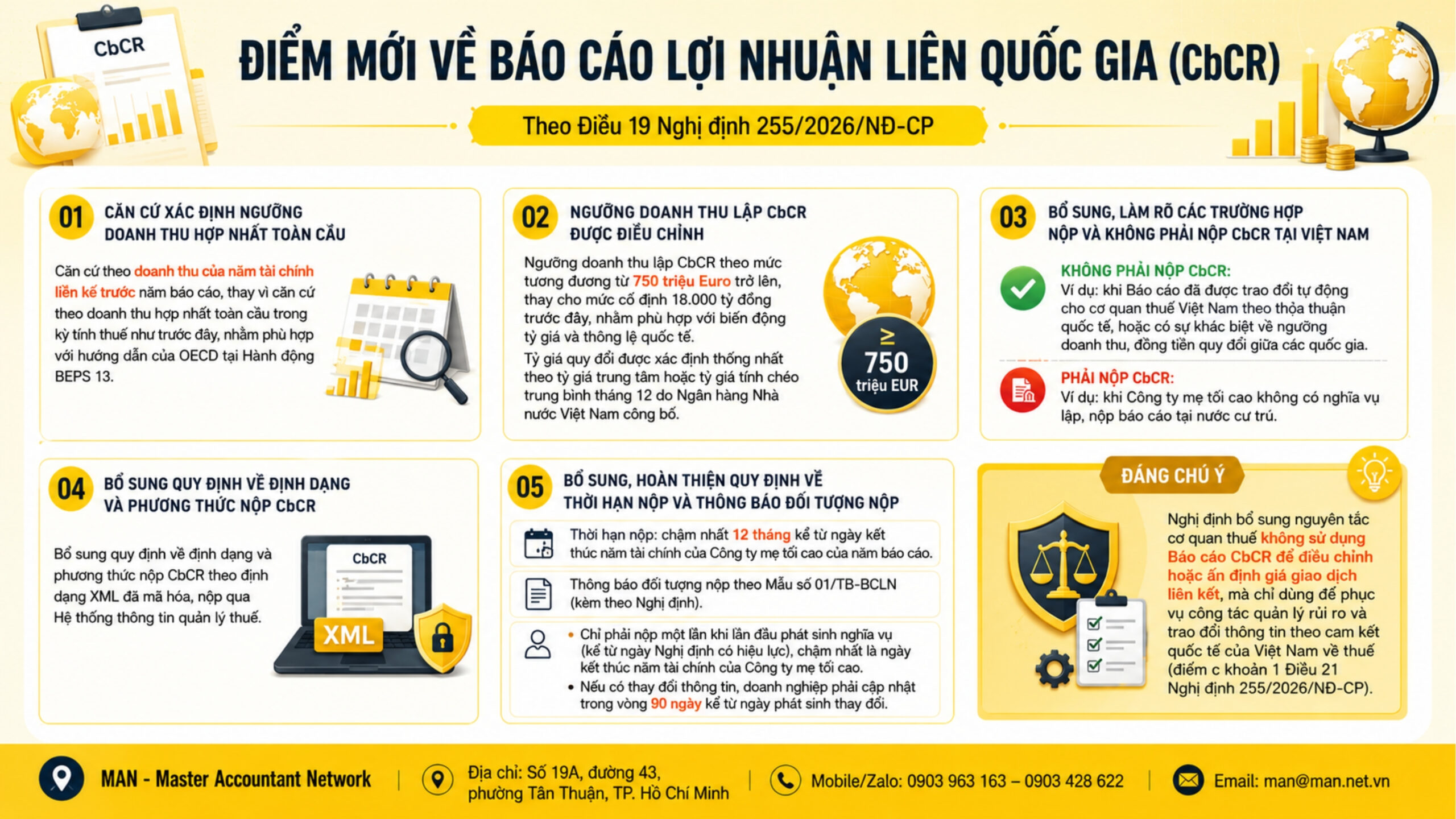
Article 19 of Decree 255/2026/ND-CP, which regulates the Country-by-Country Report (CbCR), includes several notable changes:
- The basis for determining the global consolidated revenue threshold for the obligation to prepare a Consolidated Revenue Criterion (CbCR) is now based on the revenue of the fiscal year immediately preceding the reporting year, instead of the global consolidated revenue for the tax period as before, in order to align with OECD guidance in BEPS Action 13.
- The revenue threshold for establishing the Credit Guarantee Contract (CbCR) has been adjusted to the equivalent of 750 million Euros or more, instead of the previous fixed level of 18,000 billion VND, in order to align with exchange rate fluctuations and international practices. The exchange rate will be determined uniformly according to the central exchange rate or the average cross-exchange rate for December published by the State Bank of Vietnam.
- Further clarify the cases where the CbCR does not need to be submitted in Vietnam (for example, when the report has been automatically exchanged with the Vietnamese tax authorities according to an international agreement, or there are differences in revenue thresholds or currency exchange rates between countries) and the cases where the CbCR must be submitted in Vietnam (for example, when the ultimate parent company is not obligated to prepare and submit the report in its country of residence).
- The regulations have been amended to include provisions regarding the format and method of submitting CbCRs in encrypted XML format via the Tax Management Information System.
- Supplement and refine regulations on the deadline for submitting the CbCR (no later than 12 months from the end of the fiscal year of the ultimate parent company of the reporting year) and on the Notification of the entity required to submit the CbCR according to Form No. 01/TB-BCLN issued with the Decree. This notification only needs to be submitted once when the obligation first arises (from the date the Decree takes effect), no later than the end of the fiscal year of the ultimate parent company; if there are any changes in information, the enterprise must update within 90 days from the date the change occurs.
Remarkable: The Decree also adds the principle that tax authorities do not use the CbCR Report to adjust or determine the price of related-party transactions, but only to serve risk management and information exchange in accordance with Vietnam's international commitments on taxation (Clause c, Point 1, Article 21 of Decree 255/2026/ND-CP).
From risk management to compliance management and compliance support.
Another important new point in Clause 10, Article 21 of Decree 255/2026/ND-CP is the addition of the tax authority's responsibility in managing compliance and supporting taxpayers with related-party transactions. This represents a shift from a purely "risk management" model (focusing on detecting violations, conducting inspections, and imposing penalties after detection) to a "compliance management and compliance support" model, with the taxpayer at the center and the tax authority providing ongoing support. Specifically, the tax authority will:
- Develop and implement a program to support taxpayers in voluntarily complying with regulations for businesses with related-party transactions, based on risk management and in line with the tax sector's data system;
- Publish industry profit margins by sector, geographical area, or taxpayer group to assist businesses in declaring and determining transfer pricing based on the arm's length principle;
- Supporting businesses in improving compliance and reducing risks by participating in voluntary compliance support programs;
- Participants are responsible for maintaining the confidentiality of information and data provided by the company when participating in this program.
Transitional provisions to note
According to Clause 3, Article 23 of Decree 255/2026/ND-CP, enterprises eligible for the carry-forward of interest expense as stipulated in Article 3 of Decree 20/2025/ND-CP (dated February 10, 2025) will continue to apply the carry-forward for the remaining period in accordance with the provisions of Article 3 of Decree 20/2025/ND-CP. This regulation aims to ensure continuity in policy implementation and protect the rights of taxpayers during the legal framework transition period.
What documents does the Tax Authority request during an inspection?
Before conducting an inspection at a company's premises, the tax authorities usually request a range of information and documents. Understanding this list allows businesses to proactively prepare the necessary documents instead of being caught off guard when requested.
Documents related to relationships and transactions
This includes information about related parties, diagrams illustrating the relationships between related parties, related-party transactions and the pricing policies of these transactions; related-party transaction contracts and agreements, along with information on the negotiation, signing, execution, and liquidation process of those contracts and agreements. This is a foundational set of documents that allows tax authorities to verify the nature of related-party transactions against the pricing policies declared by the enterprise.
Documents related to business operations
This includes a detailed organizational chart and operational functions of the business; a diagram describing the production and business processes and the involvement of independent and affiliated parties in each stage; and a detailed list of products and goods purchased and sold with independent and affiliated parties. This set of documents helps tax authorities assess whether the functions, assets, and risks (FAR Analysis) borne by the business in the value chain are commensurate with the allocated profit.
Risk mitigation solutions from MAN – Master Accountant Network:
- Proactively review before the end of the fiscal year: Understanding the procedures and trends for tax audits and inspections of related-party transactions under the new regulations in Decree 255/2026/ND-CP will help businesses proactively prepare and provide appropriate explanations.
- Prepare your documents on time: Fulfilling compliance obligations and preparing pricing documentation along with relevant information in advance is crucial for businesses to avoid being assessed taxes due to failure to submit the required documents.
- Understand the inspection and audit process and trends to proactively provide explanations: Understanding the list of commonly required documents and the changes in Decree 255/2026/ND-CP is the most practical preparation step to shorten the explanation time.
- The role of professional consultation: Businesses need to seek advice from specialized units., related party transaction advisory services of MAN – Master Accountant Network, to ensure the highest level of compliance with accounting and reporting regulations and Create related party transaction records According to Decree 255/2026/ND-CP.
Conclude
Not only FDI enterprises, but also domestic enterprises with related-party transactions, especially public companies or those enjoying significant tax incentives, are becoming subjects of interest to tax authorities. With Decree 255/2026/ND-CP officially replacing Decree 132/2020/ND-CP, the legal framework for tax management of related-party transactions has undergone several important adjustments: expanding the scope of related-party relationships, raising the threshold for exemption from filing, changing the threshold and process of CbCR, adding priority order for databases, and shifting to a voluntary compliance support model.
Therefore, businesses need to proactively review all related-party transactions and update their pricing policies to comply with Decree 255/2026/ND-CP.
Contact MAN – Master Accountant Network For expert advice and support!
Contact information MAN – Master Accountant Network
- Address: No. 19A, Street 43, Tan Thuan Ward, Ho Chi Minh City
- Mobile/Zalo: 0903 963 163 – 0903 428 622
- E-mail: man@man.net.vn
- Google Business Profile: View MAN – Master Accountant Network's Google Business Profile
- LinkedIn Founder: View expert Le Hoang Tuyen's LinkedIn profile.
Responsible for production and professional content review by: Mr. Le Hoang Tuyen – Founder & CEO of MAN – Master Accountant Network. He is a CPA Vietnam auditor with over 30 years of in-depth experience in accounting, auditing, taxation, and corporate legal consulting.