




Chuyển giá (Transfer Pricing) không còn là khái niệm xa lạ trong giới tài chính, nhưng bước sang năm 2026, hình thái của nó đã thay đổi hoàn toàn. Với sự bùng nổ của chuỗi cung ứng thông minh và các mô hình kinh doanh xuyên biên giới, thực trạng chuyển giá ở Việt Nam đang trở nên phức tạp và tinh vi hơn bao giờ hết. Chuyển giá không đơn thuần là việc điều chỉnh giá mua bán hàng hóa thông thường, mà đã biến tướng thành những cấu trúc tài chính, dòng vốn vay chồng chéo và sở hữu trí tuệ đa tầng nhằm mục đích tối thiểu hóa nghĩa vụ thuế TNDN tại Việt Nam.
Bài viết phân tích thực trạng chuyển giá ở Việt Nam dựa trên các số liệu thực tế từ cơ quan quản lý, nhận diện những “lỗ hổng” mới nhất và lộ trình siết chặt quản lý thông qua các hành lang pháp lý hiện đại như Decree 20/2025/ND-CP và các chương trình hành động chống xói mòn nguồn thu toàn cầu (BEPS).
Thực trạng chuyển giá ở Việt Nam giai đoạn 2025 – 2026
Tính đến hết năm 2025, công tác thanh tra, kiểm tra chống thất thu thuế đối với các doanh nghiệp có giao dịch liên kết đã đạt được những kết quả mang tính đột phá về quy mô lẫn hiệu quả. Tuy nhiên, các báo cáo chuyên đề cũng bộc lộ quy mô khổng lồ của dòng lợi nhuận đang được luân chuyển ra ngoài biên giới một cách bất thường, phản ánh thực trạng chuyển giá ở Việt Nam vẫn là một thách thức lớn.
Số liệu thực tế từ cơ quan quản lý thuế năm 2025
Dựa trên báo cáo tổng kết của Tổng cục Thuế và các đơn vị kiểm soát rủi ro thuế trong nửa đầu năm 2025, đã thấy rõ bức tranh về thực trạng chuyển giá ở Việt Nam hiện nay thông qua các chỉ số định lượng:
- Quy mô thanh tra rủi ro cao: Cơ quan thuế đã thực hiện thanh tra chuyên sâu tại 119 doanh nghiệp trọng điểm có dấu hiệu rủi ro cao về giao dịch liên kết (GDLK). Đây thường là các đơn vị báo lỗ liên tục hoặc có biên lợi nhuận thấp hơn nhiều so với trung bình ngành.
- Kết quả xử lý vi phạm tài chính: Tổng số thuế truy thu và phạt hành chính đạt ngưỡng 600 tỷ đồng. Giảm lỗ chuyển kỳ (một hình thức làm sạch bảng cân đối kế toán để tránh thuế tương lai) lên tới 3.579 tỷ đồng. Điều chỉnh tăng thu nhập chịu thuế tổng cộng 5.091 tỷ đồng.
- Tỷ trọng đóng góp trong quản lý thuế: Các cuộc thanh tra liên quan đến giá giao dịch liên kết hiện chiếm tới 60% tổng giá trị điều chỉnh thuế trong khối doanh nghiệp FDI. Điều này khẳng định thực trạng chuyển giá ở Việt Nam là khu vực trọng yếu nhất trong công tác bảo vệ nguồn thu ngân sách quốc gia.
References: Tổng hợp từ Báo cáo tổng kết công tác thanh tra, kiểm tra của Tổng cục Thuế – Bộ Tài chính.
Nghịch lý “Lời thật – Lỗ giả” – Bản chất cốt lõi của thực trạng chuyển giá ở Việt Nam
Một đặc điểm nổi bật khi nhìn vào thực trạng chuyển giá ở Việt Nam chính là nghịch lý tồn tại dai dẳng qua nhiều thập kỷ. Hiện nay, vẫn còn hơn 50% doanh nghiệp FDI báo cáo lỗ, trong đó có nhiều đơn vị lỗ liên tiếp trên 5 – 10 năm nhưng vẫn liên tục thực hiện các dự án mở rộng quy mô, tăng vốn điều tư và thu hút lượng lớn lao động. Theo các chuyên gia kinh tế, nếu không có sự hỗ trợ về vốn nội bộ hoặc sử dụng các kỹ thuật chuyển lợi nhuận, một doanh nghiệp bình thường không thể duy trì hoạt động trong tình trạng thua lỗ kéo dài mà vẫn phát triển quy mô như vậy. Đây chính là dấu hiệu rõ nét nhất phản ánh thực trạng chuyển giá ở Việt Nam đang bị lạm dụng để né tránh nghĩa vụ đóng góp xã hội.
Nhận diện các phương thức chuyển giá tinh vi và hiện đại

Để hiểu sâu về thực trạng chuyển giá ở Việt Nam, cùng MAN – Master Accountant Network tìm hiểu và phân tích các phương thức kỹ thuật mà doanh nghiệp thường sử dụng. Hiện nay, trọng tâm đã dịch chuyển từ các tài sản hữu hình sang các giá trị vô hình và cấu trúc nợ.
Chuyển giá thông qua tài sản vô hình và phí bản quyền
Đây được coi là “điểm nóng” và khó kiểm soát nhất trong thực trạng chuyển giá ở Việt Nam hiện nay. Các tập đoàn đa quốc gia thường áp mức phí bản quyền , phí sử dụng thương hiệu hoặc phí quản lý kỹ thuật cực cao cho các chi nhánh tại địa phương.
- Cách thức: Do tài sản vô hình (phần mềm, công thức độc quyền, thương hiệu) cực kỳ khó định giá theo giá thị trường tự do, doanh nghiệp thường đẩy chi phí này lên cao đến mức triệt tiêu hoàn toàn lợi nhuận phát sinh tại Việt Nam.
- Tác động: Dòng tiền được “hợp pháp hóa” dưới dạng chi phí để đưa về các quốc gia có mức thuế suất thấp hơn (tax havens), khiến thực trạng chuyển giá ở Việt Nam trở nên nhức nhối đối với các ngành hàng tiêu dùng và công nghệ cao.
Chiến thuật “Vốn mỏng” (Thin Capitalization) và chi phí lãi vay
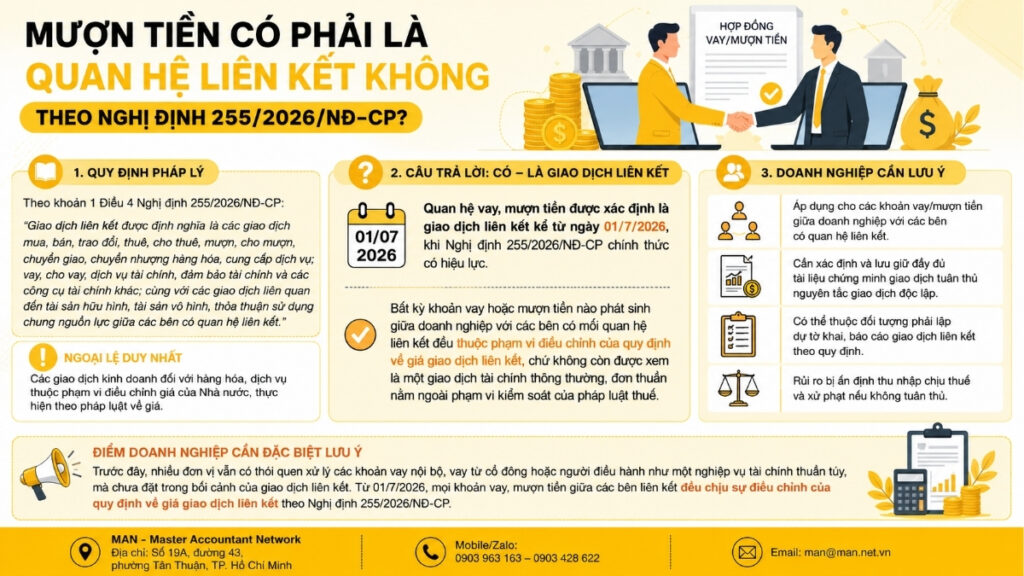
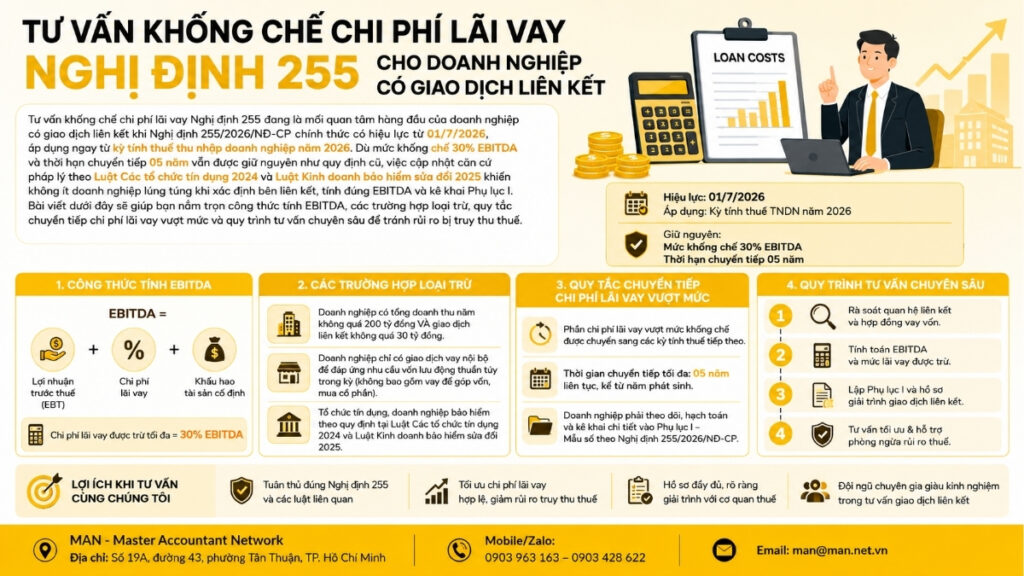
Lợi dụng việc các chi nhánh tại Việt Nam cần vốn lớn để đầu tư cơ sở hạ tầng, công ty mẹ thực hiện cho vay với lãi suất cao hoặc duy trì cấu trúc vốn mà trong đó nợ vay chiếm tỷ trọng áp đảo vốn chủ sở hữu. Mặc dù Nghị định 132 và nay là Nghị định 20/2025/NĐ-CP đã siết trần chi phí lãi vay ở mức 30% EBITDA, nhưng thực trạng chuyển giá ở Việt Nam vẫn ghi nhận nhiều biến tướng thông qua các công cụ nợ lai ghép hoặc cấu trúc hoán đổi nợ phức tạp nhằm lách quy định về trần chi phí.
Chuyển giá trong nền kinh tế số và dịch vụ xuyên biên giới
Sự trỗi dậy của các mô hình kinh doanh dựa trên nền tảng đã tạo ra một tầng lớp mới trong thực trạng chuyển giá ở Việt Nam. Các công ty công nghệ đa quốc gia phát sinh doanh thu từ người dùng Việt Nam nhưng lại hạch toán lợi nhuận tại các trung tâm dữ liệu toàn cầu. Việc xác định giá trị tạo ra để phân bổ thuế công bằng là một thách thức lớn, cho thấy thực trạng chuyển giá ở Việt Nam đang gắn liền với các kẽ hở của luật pháp quốc tế về thuế kỹ thuật số.
Reference: Dịch vụ tư vấn chuyển giá.
Những vụ việc điển hình: Minh chứng cho thực trạng chuyển giá ở Việt Nam
Để minh họa sống động cho thực trạng chuyển giá ở Việt Nam, cần nhìn lại các án lệ kinh điển được phanh phui bởi cơ quan thuế, trích dẫn dữ liệu từ CafeF và Vietnam Investment Review:
- Vụ việc Coca-Cola Việt Nam: Ví dụ điển hình về thực trạng chuyển giá ở Việt Nam. Doanh nghiệp báo lỗ liên tục từ năm 1994 đến 2012 dù doanh số tăng trưởng mạnh. Sau thanh tra, cơ quan thuế xác định giá nguyên liệu đặc chế nhập từ công ty mẹ cao bất thường. Kết quả là bị truy thu và phạt hơn 821 tỷ đồng, đồng thời buộc doanh nghiệp phải điều chỉnh giảm lỗ hàng nghìn tỷ đồng.
- Vụ việc Keangnam Vina: Liên quan đến tòa nhà cao nhất Hà Nội, doanh nghiệp đã sử dụng các hợp đồng EPC và chi phí tư vấn quản lý thiếu căn cứ kinh tế từ tập đoàn mẹ Hàn Quốc. Đây là minh chứng cho thực trạng chuyển giá ở Việt Nam thông qua việc nâng khống giá trị đầu tư xây dựng cơ bản để tăng chi phí khấu hao về sau. Tổng giá trị điều chỉnh sau thanh tra lên tới 1.220 tỷ đồng.
- Vụ việc Metro Cash & Carry: Báo lỗ lũy kế 1.657 tỷ đồng sau 12 năm hoạt động. Cơ quan thuế xác định các khoản chi phí hỗ trợ kỹ thuật, phí nhượng quyền thương hiệu trả cho công ty mẹ tại Đức là không hợp lý. Vụ việc này phản ánh thực trạng chuyển giá ở Việt Nam thường xảy ra ở các tập đoàn bán lẻ có mạng lưới cung ứng toàn cầu phức tạp.
Tại sao thực trạng chuyển giá ở Việt Nam vẫn khó giải quyết triệt để?

Dưới góc nhìn của các chuyên gia giao dịch liên kết, việc xử lý thực trạng chuyển giá ở Việt Nam gặp phải những thách thức mang tính hệ thống mà không thể giải quyết trong một sớm một chiều:
- Tính bảo mật của các tập đoàn đa quốc gia: Các cấu trúc chuyển giá thường được thiết kế bởi những bộ não tài chính hàng đầu tại trụ sở chính ở nước ngoài, rất khó để các chi nhánh tại Việt Nam có đầy đủ dữ liệu giải trình khi bị thanh tra.
- Sự thiếu hụt cơ sở dữ liệu đối chứng địa phương: Hiện Việt Nam vẫn chưa có một hệ thống dữ liệu thương mại quốc gia đủ lớn và công khai để các doanh nghiệp có thể tự đối soát giá của mình, dẫn đến việc xác định giá đôi khi mang tính chủ quan từ phía cơ quan thuế.
- Tác động đến thu hút đầu tư: Một chính sách quá khắt khe đối với thực trạng chuyển giá ở Việt Nam nếu không được thực thi công bằng có thể gây tâm lý lo ngại cho các nhà đầu tư FDI chân chính, làm giảm tính cạnh tranh của môi trường kinh doanh.
Giải pháp và lộ trình tuân thủ cho doanh nghiệp

Trước sự kiểm soát chặt chẽ đối với thực trạng chuyển giá ở Việt Nam, doanh nghiệp cần thực hiện các bước sau để đảm bảo an toàn tài chính:
- Xây dựng bộ hồ sơ chuyển giá: Bao gồm Hồ sơ quốc gia, Hồ sơ tập đoàn và Báo cáo lợi nhuận liên quốc gia. Việc chuẩn bị sớm giúp doanh nghiệp có thế chủ động khi giải trình về thực trạng chuyển giá ở Việt Nam trước đoàn thanh tra. Nếu gặp khó khăn, trở ngại trong quá trình tìm kiểm dữ liệu so sánh, lựa chọn phương pháp xác định giá phù hợp. Doanh nghiệp chủ động thuê lập hồ sơ giao dịch liên kết để đơn vị có kinh nghiệm thực hiện sẽ đảm bảo bộ hồ sơ luôn thuyết phục.
- Thực hiện rà soát định kỳ: Tự kiểm tra các chỉ số tài chính như biên lợi nhuận hoạt động, tỷ lệ lãi vay/EBITDA để đảm bảo không rơi vào nhóm rủi ro cao bị cơ quan thuế kiểm tra.
- Tham vấn chuyên gia độc lập: Đối với các giao dịch phức tạp liên quan đến tài sản vô hình, việc tham vấn dịch vụ tư vấn giao dịch liên kết uy tín sẽ giúp doanh nghiệp định vị mức giá phù hợp với thông lệ thị trường, giảm thiểu sự nghi ngờ về thực trạng chuyển giá ở Việt Nam.
Conclude
Tổng kết lại, thực trạng chuyển giá ở Việt Nam không còn là những hành vi đơn giản, mà đã trở thành một cuộc đấu trí công nghệ cao giữa doanh nghiệp và cơ quan quản lý. Việc Chính phủ không ngừng hoàn thiện hành lang pháp lý và áp dụng công nghệ số trong quản lý thuế là minh chứng cho quyết tâm lành mạnh hóa môi trường kinh doanh.
Hiểu đúng và đủ về thực trạng chuyển giá ở Việt Nam không chỉ giúp doanh nghiệp tránh được các rủi ro pháp lý nặng nề, mà còn là cam kết về đạo đức kinh doanh. Sự minh bạch trong các giao dịch liên kết chính là chìa khóa để các tập đoàn đa quốc gia khẳng định giá trị thực tại thị trường Việt Nam.
Contact MAN – Master Accountant Network để được hỗ trợ và tư vấn miễn phí!
Contact information MAN – Master Accountant Network
- Address: No. 19A, Street 43, Tan Thuan Ward, Ho Chi Minh City
- Mobile/Zalo: 0903 963 163 – 0903 428 622
- Email: man@man.net.vn
Content is moderated by: Mr. Le Hoang Tuyen – Founder & CEO of Man, CPA Vietnam Auditor with over 30 years of experience in Accounting, Auditing and Financial Consulting.
Câu hỏi thường gặp về thực trạng chuyển giá ở Việt Nam
Theo thực trạng chuyển giá ở Việt Nam, cơ quan thuế không chỉ tập trung vào hàng hóa hữu hình. Các giao dịch về phí quản lý, phí bản quyền, hoặc vay vốn nội bộ đều nằm trong diện kiểm soát. Doanh nghiệp lỗ liên tiếp mà vẫn mở rộng đầu tư là một dấu hiệu nghi ngờ quy trình thanh tra để xác định xem lỗ này là lỗ thật (do thị trường) hay lỗ giả (do chuyển lợi nhuận).
Trong thực trạng chuyển giá ở Việt Nam hiện nay, nếu không có dữ liệu so sánh trong nước, cơ quan thuế và doanh nghiệp có thể sử dụng dữ liệu từ các thị trường tương đồng trong khu vực (như Thái Lan, Malaysia, Indonesia) và thực hiện các điều chỉnh sai biệt về rủi ro quốc gia, quy mô thị trường để đưa về mức tương đương tại Việt Nam.
Theo quy định hiện hành để ứng phó với thực trạng chuyển giá ở Việt Nam, doanh nghiệp phải lưu trữ hồ sơ và các tài liệu chứng minh trong suốt thời hạn hiệu lực của pháp luật về quản lý thuế (thường là 10 năm). Hồ sơ này phải luôn sẵn sàng để xuất trình trong vòng 15 ngày làm việc khi có yêu cầu từ cơ quan thuế.Tại sao doanh nghiệp báo lỗ nhiều năm vẫn bị thanh tra chuyển giá dù không có giao dịch mua bán hàng hóa hữu hình?
Làm thế nào để xác định một giao dịch là đúng giá thị trường khi không tìm được công ty so sánh tại Việt Nam?
Hồ sơ xác định giá giao dịch liên kết cần được lưu trữ trong bao lâu?