



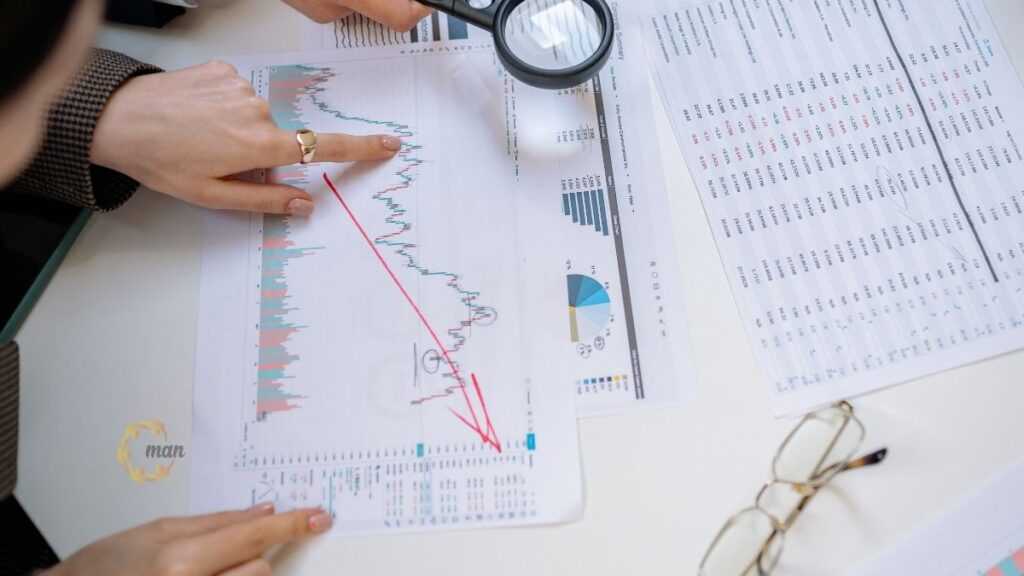


In tax management for businesses with related-party transactions, determining transaction prices according to market principles is a mandatory requirement to combat transfer pricing. However, in practice, taxpayers do not always find comparable entities within the domestic market or within the same tax period. To overcome this difficulty, the law allows businesses to broaden their search but also establishes very strict limits on expanding the scope of analysis to ensure transparency, objectivity, and fairness for the state budget.
Overview of the scope of analysis in determining transfer pricing.
The scope of analysis in determining transfer pricing is understood as a set of spatial (business location) and temporal (financial year) criteria for selecting independent comparable entities. The ultimate goal is to build a set of businesses with characteristics most similar to the taxpayer for comparison of profit margins.
Why do businesses need to pay special attention to the limitations of expanding the scope of analysis? In Vietnam, many specialized industries, high-tech sectors, or niche markets often lack sufficient data on comparable independent companies. When the sample size for comparison is too small (less than 5 entities), expanding the scope to countries in the region (such as ASEAN) or using data from previous fiscal years is a necessary solution. However, this expansion should not be done arbitrarily. Without understanding these limitations, the comparison results may be rejected by the tax authorities, leading to significant risks of tax arrears and late payment penalties.
Detailed regulations regarding the limitations on expanding the scope of analysis.

Article 9 of Decree 132/2020/ND-CP It serves as a guideline, specifying the methods and conditions under which a business can expand the comparison range beyond the default scope.
Conditions for expanding the geographical scope.
If a taxpayer cannot find an independent comparable entity within the country, expanding the scope of the analysis to select an independent comparable entity to other locations (usually countries with similar economic conditions or in the same geographical region) must follow a priority order.
When doing this, businesses are required to analyze similarities and make adjustments for significant qualitative and quantitative differences. Comparison criteria must adhere to the provisions of Clause 6, Article 10 (regarding comparative factors) and Article 14 (regarding the profit method). Expanding the scope without analyzing differences between markets will render the transfer pricing documentation unreliable.
Limitations in extending the scope of analysis in terms of data time.
This is one of the key points that accounting and tax advisory departments need to remember. The decree has established a time "checkpoint" to ensure that comparative data remains relevant:
- The one-year fiscal rule: The extended data collection period for independent comparable entities shall not exceed one fiscal year beyond the taxpayer's fiscal year. This rule applies when the taxpayer uses the transfer pricing methods stipulated in Article 14.
Practical example: If a business is preparing a financial report for fiscal year 2023, then under the expanded scope of analysis, the furthest data of an independent comparable entity that the business can collect is from 2022. Using data from 2021 or earlier for a comparable entity would be considered a violation of this limit, except in certain specific cases where otherwise permitted.
Processing previous fiscal year data and adjusting time
When taxpayers use data from independent comparable entities in a previous fiscal year, it is mandatory to adjust for material differences caused by time. Fluctuations in inflation, exchange rates, borrowing rates, or changes in government economic policies between two fiscal years can completely alter the profit picture. Therefore, applying extended analytical limits must be coupled with techniques for adjusting for time differences to bring the comparable entities' profits on par with the taxpayer's.
Methods for comparing profit margins are applied when expanding the analysis.
To ensure that the application of extended scope limits in analysis truly reflects the nature of the transaction, businesses need to select the most appropriate comparison method based on function, assets, and risks (FAR Analysis).
Resale Price Method (RPM)
This method is typically used by units responsible for distributing and reselling products purchased from affiliates to independent customers.
- Applicable conditions: The taxpayer acts as a simple distributor, not involved in the development of intangible assets (such as trademarks), and not involved in manufacturing, processing, or assembling that alters the nature of the product.
- Specific limitations: This method will be rejected if the taxpayer's actual costs for establishing an exclusive distribution channel, designing a brand identity system, or after-sales costs are excessively high compared to a typical distributor.
Then, the formula is determined as follows:
Cost of goods sold (purchased from an affiliated party) = Selling price (from an independent party) – Standard gross profit – Other expenses (import tax, customs fees, transportation) |
Cost Plus Method (CPM)
In contrast to RPM, this method is intended for businesses that manufacture on a contract basis or process orders for affiliated parties.
- Target audience: Businesses that do not own valuable intangible assets, bear low risk, and perform production as directed or provide services within the group.
- Influencing factors: When expanding the comparison, it is necessary to consider differences in quality control costs, payment terms, and cost accounting methods between countries.
- Important limitation: This does not apply to businesses that are self-sufficient in manufacturing, independently deciding on market strategies, and product warranties.
The Net Profit Margin (NPRI) Comparison Method
This is the most common method in practice when businesses struggle to find gross profit data. This method uses the net profit margin (usually EBIT – earnings before interest and taxes) divided by revenue, expenses, or assets.
Applying the limitations of this analytical method requires extreme caution in selecting financial indicators. Net profit used for comparison must exclude revenue and expense differences from financial activities to ensure the purity of core business operations.
The principle of eliminating material differences when expanding the scope.
Expanding the scope of analysis means accepting diversification in the comparison sample, which in turn leads to more bias. Therefore, a crucial principle is to clean the data by eliminating material differences.
Factors that directly affect profit margins
When preparing the application, businesses need to thoroughly analyze the following factors:
- Characteristics of assets and capital: Differences in the technological level of machinery or the degree of capital intensity.
- De facto control: The power to decide on business strategies and research and development (R&D) activities.
- Industry economic conditions: Product characteristics and terms in economic contracts.
- Accounting methods: Differences between accounting standards (such as Vietnam's VAS and international IFRS) when extended to foreign countries.
The role of the standard independent trading range
After adhering to the limits of the analytical scope and selecting comparable entities, the firm must determine the “standard independent transaction interval”.
- This range is defined from the 35th percentile to the 75th percentile.
- If the taxpayer's profit margin falls outside this range, the tax authorities have the right to adjust it to the median value (50th percentile) to recalculate the amount of tax payable.
Important note regarding the responsibility to protect the state budget.

Businesses need to be acutely aware that limiting the scope of analysis is a management tool to ensure they do not engage in transfer pricing or profit-sharing practices.
- The principle of not reducing tax obligations: This is a strict regulation in Clause 4, Article 14. Any results of determining prices or profits based on independent comparable transactions, no matter how accurate, must not reduce the amount of corporate income tax payable by the entity compared to what would have actually occurred if there were no related-party transactions.
- Regulations on loss risk: For businesses performing simple production and distribution functions, the law clearly stipulates that they are not allowed to bear losses arising from risks they cannot control (such as market risk, inventory risk). If a business reports a loss while only performing processing or distribution for a group, the tax authorities will consider the reasonableness of applying the expanded scope of analysis in the entity's records.
Conclusion and recommendations
Understanding and correctly implementing the limits of expanded analytical scope is not only a legal requirement but also the optimal solution for businesses to protect themselves against tax audits. Any action to expand the geographical scope or time period must be rationalized based on specific qualitative and quantitative evidence.
Advice for businesses:
- Always prioritize domestic data and data within the same fiscal year.
- Expand the scope only when absolutely necessary and after conducting a detailed market differentiation analysis.
- Maintain records demonstrating the scientifically sound process of adjusting profit margins.
- Regularly review the actual operational functions to select the most accurate method as specified in Article 14.
Strict adherence to the limits of expanded analytics is the best way for businesses to achieve sustainable and transparent growth in the global digital economy. To address complex issues, businesses can seek assistance from specialized providers. related party transaction advisory services professional or receive direct support from Transfer pricing consultancy to ensure the highest level of compliance.
Contact MAN – Master Accountant Network For free support and advice!
Contact information MAN – Master Accountant Network
- Address: No. 19A, Street 43, Tan Thuan Ward, Ho Chi Minh City
- Mobile/Zalo: 0903 963 163 – 0903 428 622
- Email: man@man.net.vn
Content production by: Mr. Le Hoang Tuyen – Founder & CEO MAN – Master Accountant Network, Vietnamese CPA Auditor with over 30 years of experience in Accounting, Auditing and Financial Consulting.